






Insider timing guide for rubbish removal near Bayswater station
Posted on 10/08/2026

If you have ever tried to shift a sofa, builder's rubble, or a few too many black bags near Bayswater station, you already know the awkward part is not always the lifting. It is the timing. Traffic builds, residents head out, taxis stop where they should not, and a five-minute delay can turn into a frustrating half-hour of waiting on the pavement. This insider timing guide for rubbish removal near Bayswater station is here to help you plan the job properly, choose the right window, and avoid the little local bottlenecks that can make a simple clearance feel oddly complicated.
In practice, good timing saves money, reduces stress, and makes the handover much smoother for everyone. Whether you are clearing a flat, managing builders' waste, or just trying to get rid of a pile of unwanted items before the weekend, the right collection slot matters. And yes, sometimes the difference between a smooth pick-up and a messy one is just twenty minutes. A tiny margin, really. But it counts.
For broader context on local living and how neighbourhood routines shape day-to-day planning, you may also find local Bayswater insights and advice useful, especially if you are coordinating around residential streets and busy transport points.
Why Insider timing guide for rubbish removal near Bayswater station Matters
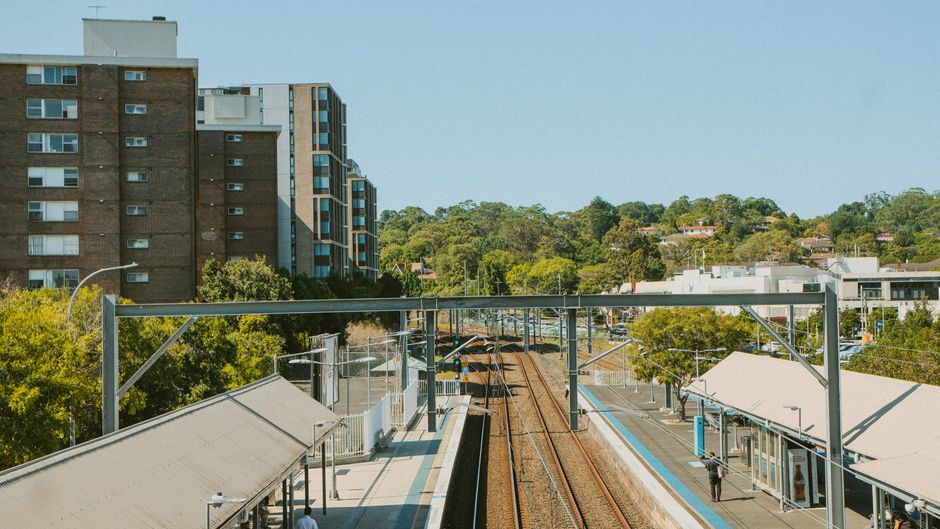
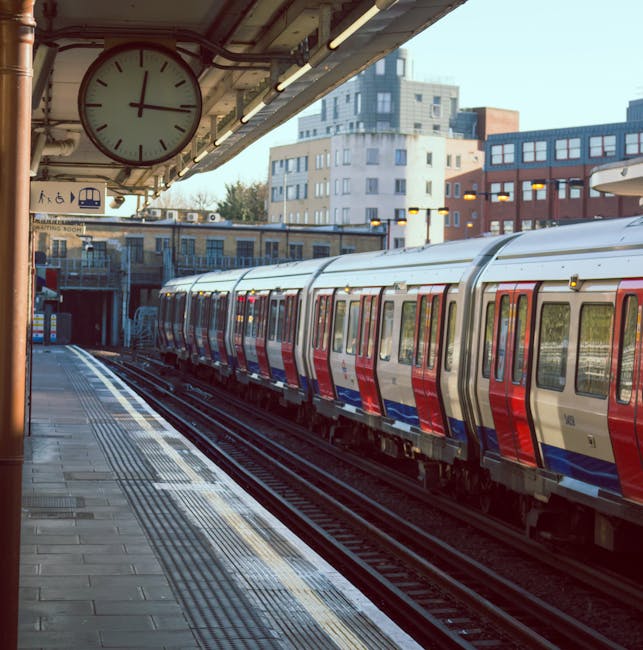
Bayswater station sits in a part of west London where the rhythm of the day changes quickly. Morning commuters, delivery vans, school runs, ride-hailing drop-offs, and the general ebb and flow of local traffic can all affect how easy it is to load waste safely and legally. If you are arranging rubbish removal near the station, timing is not just a convenience. It shapes access, turnaround speed, and even how visible your waste is before collection.
There is also the practical side. A good time slot can mean:
- less congestion around kerbs and side streets
- quicker loading and fewer awkward pauses
- reduced risk of blocking pedestrians or entrances
- better coordination with building management or neighbours
- fewer chances of missing a same-day or narrow appointment window
To be fair, local waste jobs are often decided by the environment around them. A tidy collection in a quiet window is much easier than trying to shift bulky waste at the same time as a rush of people heading to the station. That is especially true if you live in a flat with limited access, shared hallways, or on-street loading only.
If your removal is part of a wider clearance project, it may help to look at the wider services overview so you can match the timing to the type of waste and the scale of the job rather than treating every clearance the same.
How Insider timing guide for rubbish removal near Bayswater station Works
The basic idea is simple: you choose a collection slot that suits the street conditions, access constraints, and your own preparation time. The smarter version goes one step further and matches the slot to the type of waste and the likely footfall near the station.
In a real-world sense, rubbish removal timing near Bayswater station usually depends on five things:
- Access conditions - Is there enough room to park, load, and move safely?
- Local activity - Are commuters, visitors, or nearby businesses likely to increase pressure on the street?
- Waste type - Bulky furniture, bagged household rubbish, green waste, or builders' rubble all take different amounts of time.
- Building rules - Flats and managed properties may have set loading times or quieter hours.
- Your readiness - If the waste is not sorted and ready, the collection window becomes less useful.
Think of it as a timing puzzle rather than a simple booking. A morning slot might be ideal for a fast office clearance before the day gets busy. A later mid-week slot might suit household waste better if you are waiting for a lift booking, a neighbour to move a car, or a final item to be dismantled.
Sometimes the best time is the one that gives you the least friction. That sounds obvious, but in clearance work it really is the secret sauce. You do not need the fanciest arrangement. You need one that is calm, practical, and well matched to the street.
Key Benefits and Practical Advantages
Getting the timing right can transform the whole experience. Instead of hovering by the window wondering when the van will appear, you get a cleaner handover, quicker removal, and fewer interruptions to your day.
1. Faster turnaround
When access is easier, collections tend to move more efficiently. That matters if you are booking around work, tenancy changeovers, or contractors arriving later in the day.
2. Less disruption to neighbours
Residents near stations already deal with noise and movement. A well-timed collection helps keep things polite. And that counts for a lot in shared buildings.
3. Better safety
Clear pavements, less waiting, and fewer awkward manoeuvres all reduce the chance of bumps, trips, or blocked entryways. If you want to see how a responsible provider approaches this, the insurance and safety information is worth a look.
4. More predictable costs
Collections that drag on because of poor timing can feel inefficient. Planning well helps keep labour time focused on the actual clearance rather than lost waiting time. For readers comparing value carefully, the cost guide for Bayswater rubbish removal gives helpful context on what usually affects price.
5. Better recycling outcomes
When waste is sorted before pick-up, it is easier to route items appropriately. That is one reason many people pair smart scheduling with a careful sorting session. The recycling and sustainability approach explains the value of keeping reusable or recyclable materials separate where possible.
Expert summary: Near Bayswater station, the best collection time is usually the one that avoids commuter peaks, matches your access conditions, and gives enough buffer for loading. In other words: plan the slot around the street, not just your calendar.
Who This Is For and When It Makes Sense
This guide is useful for far more people than you might think. The obvious ones are households with a pile of waste to clear, but timing becomes even more important when access is tight or the removal is part of a wider project.
- Flat owners and tenants trying to avoid complaints or blocked entrances
- Landlords and letting agents managing end-of-tenancy rubbish
- Homeowners preparing for decorating, moving, or a deep clear-out
- Builders and tradespeople dealing with ongoing site waste
- Office managers booking clearance outside working hours
- Event organisers clearing temporary waste after a venue hire
If you are in the middle of a sale or move, timing matters even more. A lot of people underestimate how long it takes to clear the last 10%. That last bit - the old lamp, the broken shelf, the bags in the corner - is what often slows a handover. For property-related situations, the article on selling property in Bayswater adds useful local context.
And if you are an investor, landlord, or property manager, the timing of rubbish removal can affect how quickly a space is market-ready. That is one reason the Bayswater real estate guide can be a handy companion read.
Step-by-Step Guidance
Here is a practical way to plan rubbish removal near Bayswater station without overcomplicating it.
1. Identify the waste and the scale of the job
Start by separating general household waste, bulky items, garden waste, and building materials. A small mixed load and a full flat clearance are not the same thing, even if both feel urgent when they are sitting in the hallway.
2. Check access around the station and your building
Look at where the vehicle can reasonably stop, how far items need to be carried, and whether a lift, loading bay, or porter arrangement is involved. If access is awkward, build in extra time. Always.
3. Choose a time window that avoids peak movement
In many cases, the calmer windows are earlier in the day before the local area gets busier, or mid-week when the pressure on nearby streets can be lighter. The exact best slot depends on your property, but the principle stays the same: less movement usually means a smoother clearance.
4. Prepare the waste before the team arrives
Bag loose items, remove anything you want to keep, and make sure bulky pieces are accessible. If a crew arrives and still has to wait while you dig out boxes from behind a wardrobe, the whole process becomes less efficient. Not a disaster, but not ideal either.
5. Confirm any building or parking constraints
Managed blocks, narrow mews, and busy residential streets often have expectations around loading. If you are not sure, ask the building manager or landlord in advance. Better that than improvising at the kerb.
6. Keep a contingency buffer
Leave enough flexibility in your day in case the collection takes longer than expected, especially if there are stairs, distance from the vehicle, or awkward furniture. A bit of breathing room is worth more than squeezing the booking between two other commitments.
Expert Tips for Better Results
These are the small things that make a surprisingly big difference.
- Go for a weekday if your schedule allows it. Around transport hubs, weekends can be a mixed bag: quieter in one sense, busier in another, especially with visitors and leisure traffic.
- Aim to finish sorting before collection day. The most efficient clearances happen when nobody is making last-minute decisions over whether a chair is "definitely going" or "maybe useful."
- Take photos of large loads in advance. This can help you explain the job clearly when you request a quote and avoid misunderstandings later. For pricing guidance, the page on pricing and quotes is a helpful reference point.
- Match timing to the waste type. Builders' waste, for example, is often best collected when site access is calm and trades are not all arriving at once. If that is your situation, builders' waste disposal in Bayswater is the most relevant service page.
- Keep shared spaces clear. Hallways, landings, and entrances should be left open. It sounds obvious, but honestly, this is where things go sideways most often.
- Book with enough notice for busy periods. Same-day can work, but the smoother jobs are usually the ones planned with a little lead time.
A small human tip from the field: if you know the removal will involve stairs, tell yourself to budget one extra step of effort for every item. It is funny how a short lift journey in your head becomes five trips in real life.
Common Mistakes to Avoid
Most problems around rubbish removal near Bayswater station are not dramatic. They are just avoidable. Which is almost more annoying, really.
- Booking a slot without checking access. A van may be available, but if it cannot stop safely, the timing falls apart.
- Leaving sorting until the last minute. This creates delays and can make a tidy plan feel rushed.
- Ignoring local footfall. The area around a station can change character quickly through the day.
- Assuming all waste types take the same amount of time. They do not. Furniture, rubble, garden cuttings, and office furniture all behave differently.
- Forgetting building rules or neighbour sensitivities. In flats, this is often the difference between smooth and awkward.
- Overfilling bags or boxing items badly. That makes loading slower and riskier.
One of the sneakiest mistakes is underestimating the handover itself. A collection may be booked for a narrow time window, but if items are still spread across multiple rooms, the actual job starts late. The van arrives, everybody waits, and you lose the neat rhythm you were hoping for.
Tools, Resources and Recommendations
You do not need a complicated toolkit to manage rubbish removal well. A few simple items and a little preparation go a long way.
- Heavy-duty bags for mixed small waste
- Labels or marker pens to separate keep, recycle, and remove
- Gloves for handling dusty or awkward items
- Basic tape measure to estimate bulky furniture dimensions
- Phone camera for quick load photos and before/after records
- Lift or access keys if your building uses them
If you are choosing between types of clearance support, it helps to understand the service fit. A household clean-out may suit house clearance in Bayswater, while an after-work tidy-up in a commercial space may be better matched to office clearance services. For everyday mixed loads, rubbish removal in Bayswater is often the simplest fit.
For larger or more general clearances, the waste clearance option can be useful when you want one tidy sweep instead of piecemeal removal. And if you are comparing the company background or service approach, the about us page gives a better sense of how the team presents its work.
Law, Compliance, Standards, or Best Practice
Timing is not just a convenience issue. In London, rubbish removal has to be handled with care so waste is not left where it causes obstruction, nuisance, or safety concerns. You do not need to become a compliance expert, but you should expect a professional service to work in a tidy, responsible, and lawful way.
In plain English, best practice usually means:
- keeping pavements and entrances clear during loading
- handling waste in a way that reduces spill, breakage, or trip hazards
- separating different material types where practical
- respecting local access rules and building requirements
- using sensible scheduling so the job can be completed without pressure or shortcuts
If a provider appears relaxed about safety, access, or how waste is managed, that is a yellow flag. The timing plan is part of the service quality. It tells you a lot about how seriously the job will be handled.
For related operational policies, the pages on terms and conditions and privacy policy can help set expectations around how the service is run, while the modern slavery statement and payment and security pages add reassurance on business standards and transaction handling.
Options, Methods, or Comparison Table
Different timing approaches suit different types of rubbish removal. Here is a simple comparison to help you choose.
| Timing option | Best for | Pros | Watch-outs |
|---|---|---|---|
| Early morning | Busy streets, flat clearances, quick turnarounds | Often calmer access, less competition for kerb space | You need to be ready on time, no last-minute sorting |
| Mid-morning | Residential jobs with a little prep time | Good balance between readiness and street movement | Can overlap with local activity around the station |
| Mid-week daytime | Most mixed household or office clearances | Often a sensible compromise for access and efficiency | Availability may vary, so book ahead |
| Late afternoon | After-work clearances, some commercial jobs | Useful if a property must stay clear during the day | Can run into heavier local movement and a more rushed feel |
| Same-day slot | Urgent jobs, move-outs, surprise clearances | Fast and flexible | Least forgiving if the waste is not ready or access is tricky |
If your job is tied to a venue, event, or a short access window, timing becomes more specific again. Bayswater has plenty of events and gatherings, and the article on Bayswater's premier event venues gives a sense of why clean-up windows sometimes need to be tight.
Case Study or Real-World Example
Picture a one-bedroom flat a short walk from Bayswater station. The resident has just finished redecorating, with an old mattress, a dismantled desk, cardboard packaging, and a handful of mixed rubbish ready to go. Nothing dramatic. Just a lot of stuff in a small space, which is often the worst kind.
They first considered a late afternoon booking because it fitted better around work. But the hallway was shared, the lift was small, and the street outside was usually busier later in the day. After a bit of thought, they moved the booking to a quieter morning slot. That meant the items could be staged near the entrance before traffic picked up, the clearance team could load without blocking the pavement for long, and the whole job finished with less stress.
What made the difference was not the size of the waste. It was the timing. A bit of preparation the evening before, a clear access route, and a morning window that avoided the day's busier rhythm. Simple, but effective.
That kind of planning also helps when you are coordinating with other local pressures, such as a viewing, tenancy checkout, or even a venue reset. If you want a specific same-day planning perspective for the nearby station area, the guide to rubbish removal near Queensway station offers a useful adjacent comparison.
Practical Checklist
Use this simple checklist before your collection day.
- Have I sorted items into keep, remove, and recycle?
- Is the access route clear from the property to the exit point?
- Do I know where the vehicle can stop safely?
- Have I checked any building rules or loading restrictions?
- Are bulky items dismantled if needed?
- Have I taken out anything I want to keep?
- Is the waste ready before the collection window starts?
- Have I allowed enough time if stairs or long carrying distances are involved?
- Do I know what kind of clearance service best fits my load?
- Have I looked at pricing and payment details in advance?
If you want the job to feel easier, treat the checklist as non-negotiable. Seriously. It saves the awkward scramble of finding a missing bag or moving boxes once the crew is already waiting.
Conclusion
The best timing for rubbish removal near Bayswater station is the timing that fits the street, the building, and the waste itself. That may sound like a small point, but it is usually the difference between a straightforward clearance and a frustrating one. Around a busy station, the surrounding pace matters. A little local awareness goes a long way.
If you plan ahead, prepare the waste properly, and choose a slot that respects access and footfall, you give yourself a much smoother experience. Not flashy. Just practical. And in real life, practical wins most days.
For a broader look at service options, you may want to review the full services overview before booking, especially if your clearance involves mixed waste or a larger property clean-out. If you are weighing sustainability, service style, and presentation, the pages on recycling and sustainability and about us can also help you feel more confident about the next step.
Get a free quote today and see how much you can save.


 Tipper Van - Rubbish Removal and Garden Waste Removal Prices in Bayswater, W9
 Luton Van - Rubbish Removal and Garden Waste Removal Prices in Bayswater, W9