






Rubbish collection tips for Bayswater flats with narrow access
Posted on 28/08/2026
If you live in a Bayswater flat with a tight hallway, a steep staircase, or a front entrance that barely fits two people side by side, you already know the problem: rubbish collection sounds simple until the bags, boxes, or broken furniture actually have to leave the building. That is where smart planning makes all the difference. These rubbish collection tips for Bayswater flats with narrow access are designed to help you avoid damage, save time, and keep the whole process calm rather than chaotic. Whether you are clearing a single room, dealing with post-renovation debris, or just trying to get rid of a bulky item that has been sitting there for weeks, the right approach matters.
Bayswater homes are often charming, compact, and a little awkward in the best possible way. The stairwells can be narrow. The lifts, if there is one, may be small. The loading space outside may be limited. So let's be honest, rubbish removal in this part of London is rarely a "just wheel it out" job. The good news is that with a bit of structure, the whole thing becomes manageable.
This guide walks through the practical side of collection, from access checks and packing methods to timing, safety, and what to do when the rubbish simply will not fit through the obvious route. You will also find a checklist, a comparison table, and answers to the questions people actually ask when they are standing in a flat, looking at a pile of junk, and thinking: where on earth do I start?
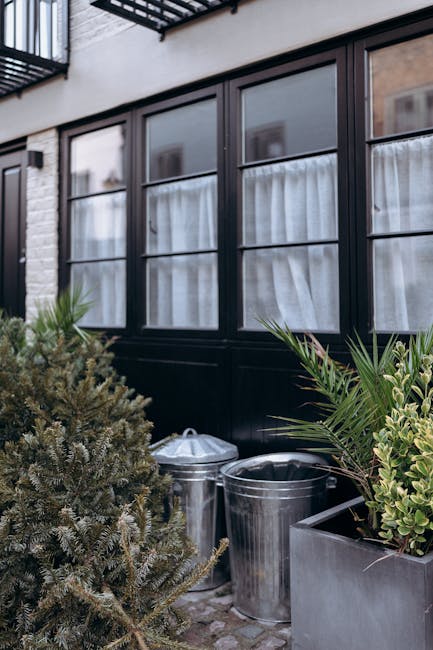
Why Rubbish collection tips for Bayswater flats with narrow access Matters
Narrow access changes everything. A collection that would be easy in a house with a driveway can become awkward in a period conversion or a mansion block. In Bayswater, that often means shared entrances, tighter staircases, small lifts, and limited space for waiting vehicles. If you do not plan around those realities, rubbish collection becomes slower, more expensive, and more stressful than it needs to be.
There is also the neighbour factor. In a flat, rubbish removal is rarely just your business. Items left in hallways, bags dragged across shared landings, and awkward noise at the wrong time can quickly become an issue. A little care goes a long way. Truth be told, neighbours remember the person who left a wardrobe in the corridor much more than the person who handled everything neatly.
For landlords, tenants, managing agents, and homeowners preparing for a move, the stakes are even higher. Poorly handled collection can delay check-outs, trigger complaints, or create avoidable damage. If you are interested in the wider local context, it can help to read about Bayswater living and local insights as well as the practical realities of selling property in Bayswater, where speed and presentation often matter.
So yes, the topic sounds narrow. But in practice it touches safety, timing, access planning, and cost control all at once.
How Rubbish collection tips for Bayswater flats with narrow access Works
Collection in a tight-access flat usually follows a simple pattern: assess, prepare, remove, and clear up. The difference is in the detail. The route from your flat to the street may be the biggest variable, not the rubbish itself. That means collection has to be planned around door widths, corners, stair turns, lift dimensions, and whether large items can be dismantled first.
In many cases, collection teams will ask for a few basic facts before arriving. They need to know what you want removed, which floor you are on, whether there is a lift, how wide the access is, and whether parking or stopping nearby is realistic. If the answer to any of those is "not ideal," that is fine. It just changes the strategy.
For example, smaller items may be bagged, boxed, or stacked into loadable piles near the exit. Bulky items such as wardrobes, bed frames, desks, or white goods may need to be taken apart first. Sometimes the safest route is not the front staircase at all, but a rear service entrance or side passage. Every building is a bit different. Some are surprisingly workable, others make you wonder who measured the staircase in the first place.
This is also where well-run rubbish collection services earn their keep. The right team will not simply turn up and hope for the best. They will look at the access situation, choose the safest route, and work methodically. If you want a broader look at the types of work a local team may handle, the services overview and our services pages are useful starting points.
Key Benefits and Practical Advantages
Good planning for narrow-access rubbish collection is not just about avoiding hassle. It brings real, practical benefits.
- Less risk of damage: When items are measured, wrapped, or dismantled properly, there is less chance of scrapes to walls, chipped paintwork, or broken banisters.
- Faster collections: A clear route means less lifting, less backtracking, and fewer awkward pauses at the door.
- Lower stress: You are not trying to improvise on collection day while holding a couch cushion in one hand and a parking ticket in the other.
- Better neighbour relations: Quiet, tidy, efficient removals are far less disruptive in shared buildings.
- More predictable pricing: When access is described accurately in advance, quotes tend to be more realistic.
- Safer handling: Items are less likely to be dropped, dragged, or carried in a way that causes injury.
There is a subtle but important point here: narrow access does not always mean more expensive. It often just means the job needs to be handled properly. A small flat with sensible preparation can be easier than a bigger property where everything is left to the last minute. Oddly enough, tidy prep beats size more often than people expect.
And if you are weighing up whether to use professional help or try to do it all yourself, remember that flat clearance is not only about moving things. It is also about route planning, lifting technique, safe loading, and making sure disposal is handled correctly. That is why many residents prefer a local rubbish removal Bayswater service when access is tight.
Who This Is For and When It Makes Sense
This approach makes sense for quite a few people in Bayswater.
- Flat owners who are decluttering before a sale, refurbishment, or tenancy change
- Tenants who need to clear out before a move-out inspection
- Landlords dealing with leftover furniture or abandoned items
- Managing agents arranging regular clearances in shared buildings
- Homeowners in converted properties with tight stairs or small landings
- Anyone disposing of bulky or mixed waste that is awkward to move by hand
It makes particularly good sense when you have items that cannot simply be put in the bin outside. Think mattresses, old shelves, broken small appliances, or builders' offcuts after a light refit. If the rubbish is light and baggable, self-carrying may be fine. But if it is awkward, heavy, or likely to snag on corners, that is when planning becomes essential.
A practical example: someone clearing a one-bedroom flat near Queensway may be dealing with a sofa, two drawers, some packaging, and a pile of mixed junk from a wardrobe project. None of it sounds dramatic on its own. Put it together in a narrow stairwell at 8:00 on a weekday morning, though, and it can get messy fast.
Step-by-Step Guidance
Here is a sensible, low-stress way to handle rubbish collection in a Bayswater flat with narrow access.
1. Start with a proper access check
Measure door widths, stair turns, lift size, and hallway bottlenecks. Do not rely on memory alone. People often think something will fit because it has "made it out before." Then the item arrives at the stair landing and suddenly it is a whole different story.
Check:
- main entrance width
- internal door widths
- staircase turns and headroom
- lift dimensions, if there is one
- any awkward corners or low ceilings
- street access for loading
2. Sort items before collection day
Separate what is going, what is staying, and what can be dismantled. This is one of the easiest ways to reduce collection time. Keep screws, shelves, and loose fittings in one labelled bag so they do not vanish under a sofa somewhere.
3. Break down bulky items where possible
Flat-pack furniture, bed frames, and some shelving units are much easier to carry if they are dismantled. Remove doors, legs, and drawers if it makes the item lighter and safer to move. Wrap sharp edges with cardboard or tape if needed. Nothing fancy. Just sensible.
4. Clear a staging area near the exit
Create a temporary holding point in the flat, ideally near the shortest route to the door. This avoids cluttering the hallway and gives the team space to work. If the building has strict shared-space rules, keep everything inside until the removal team arrives.
5. Choose the best collection time
Timing matters more in Bayswater than many people realise. Quiet periods can help with access, lifts, and street loading. Mornings may be best if traffic or neighbour movement becomes an issue. For a more local angle on timing near stations, see the insider timing guide for rubbish removal near Bayswater Station and the Queensway Station same-day guide.
6. Share access details honestly
If the lift is small, say so. If parking is awkward, say so. If the staircase bends sharply on the third floor, say that too. Accurate information leads to fewer delays and fewer surprises. This is one of those moments where a tiny bit of over-explaining helps everyone.
7. Keep the route clear on the day
Move shoes, prams, bikes, plant pots, and other loose items out of the way. A clear route reduces trip hazards and keeps the collection moving. If you live in a block with shared spaces, a polite note to neighbours can help avoid awkward clashes in the corridor.
8. Do a final sweep
Once the rubbish is gone, check for stray screws, dust, packaging, or forgotten items. It sounds obvious, but the final sweep is often what makes the space feel properly finished rather than half-done.
Expert Tips for Better Results
If you want the collection to feel smooth rather than strained, these small habits help a lot.
- Photograph the access points before collection day so you can show any awkward corners or gates.
- Use strong bags only for loose waste; weak bags split at exactly the wrong time, usually halfway down a staircase.
- Bundle long items together with tape or straps so they are easier to handle.
- Keep heavier items low and stable rather than stacking them in a top-heavy way.
- Avoid last-minute sorting; it creates clutter and slows the job.
- Protect walls and corners with cardboard or blankets if you are moving items yourself.
One thing people often overlook is pacing. If the job looks big, split it into phases: rubbish out first, reusable items second, deep clean last. That way, you are not trying to do everything in one frantic burst. To be fair, nobody works well while stressed and surrounded by half-packed boxes.
If you are dealing with renovation waste or stripped-out materials, it may also help to look at builders waste disposal in Bayswater. For mixed household clutter, a broader waste clearance service may be the better fit.

Common Mistakes to Avoid
A lot of narrow-access problems are preventable. The most common mistakes are pretty familiar, honestly.
- Not measuring properly: Guessing the size of a sofa or wardrobe is a classic error. Tape measure first, panic later.
- Leaving everything for collection morning: That usually leads to rushed packing and more trip hazards.
- Ignoring lift limits: A lift that technically exists is not the same as a lift that can carry a bulky item.
- Blocking the hallway: Shared spaces are not storage areas, even for "just a few minutes."
- Forgetting parking constraints: If the vehicle cannot stop nearby, the job can take much longer.
- Mixing hazardous items with general rubbish: Batteries, solvents, and similar items need extra care.
Another mistake is underestimating sound. Stairs creak, doors bang, and furniture scrapes. In a quiet building, that can feel surprisingly loud. A bit of padding and a calmer pace can save you from those "sorry about the noise" moments that go on longer than they should.
Tools, Resources and Recommendations
You do not need a van-load of specialist equipment to prepare well, but a few simple tools make life easier.
- Tape measure: essential for doors, stairs, and furniture dimensions
- Heavy-duty bags and boxes: useful for lighter waste and loose items
- Work gloves: helpful for grip and protection
- Moving straps or rope: practical for bundling awkward items
- Blankets or cardboard sheets: useful for wall and floor protection
- Marker pen and labels: ideal for sorting what stays and what goes
- Basic screwdriver or hex key: often needed for dismantling furniture
For readers who want to understand what a local removal company can handle beyond domestic junk, it may help to review the dedicated pages for house clearance Bayswater and office clearance Bayswater. These are useful when a flat clearance overlaps with storage rooms, work-from-home setups, or shared office-style spaces.
And if price planning is on your mind, the most useful next step is usually the pricing and quotes page. No need to overcomplicate it. Start there, compare the job shape, then decide what route makes sense.
Law, Compliance, Standards, or Best Practice
When rubbish is collected from a flat, especially in a shared building, there are a few broad best-practice principles worth keeping in mind. This is not legal advice, and exact obligations can vary depending on building rules, tenancy agreements, and the type of waste involved, but the basics are clear enough.
First, avoid obstructing common areas. Hallways, landings, staircases, and entrances need to remain safe and usable. In a managed building, leaving items in shared spaces can cause complaints or breach house rules.
Second, separate unsafe or unusual waste. Some items need extra handling because they are sharp, electrical, heavy, or potentially contaminated. It is always better to flag them in advance than to leave the crew guessing on arrival.
Third, use sensible lifting and carrying practice. Heavy items should be handled with enough people, suitable equipment, and a clear route. No one gains points for trying to carry a sofa down three flights of stairs solo. That is how backs get sore and walls get damaged.
Fourth, use responsible disposal channels. Reuse, recycling, and correct sorting are part of good practice. If sustainability matters to you, a provider that talks plainly about disposal methods is usually a better sign than one that waves vaguely at "eco-friendly" without explaining much. You can read more about this approach on the recycling and sustainability page.
Finally, keep documents and terms clear. If you are using a professional service, check what is included, how access issues are priced, and what happens if the load changes on the day. The terms and conditions and insurance and safety pages are useful for understanding the standard of care you should expect.
Options, Methods, or Comparison Table
Not every Bayswater flat with narrow access needs the same solution. Here is a simple comparison of the most common approaches.
| Method | Best for | Pros | Limitations |
|---|---|---|---|
| Self-carry to bin store or curbside | Small, light, bagged waste | Cheap, simple, fast for tiny jobs | Not suitable for bulky items or awkward access |
| Partial dismantling and self-move | Flat-pack furniture, light household items | Reduces size, easier through narrow routes | Needs tools, time, and some physical effort |
| Professional rubbish collection | Mixed loads, heavy items, tight stairwells | Safer, quicker, less stressful | Cost can be higher than DIY for very small loads |
| Full clearance service | End-of-tenancy, sale prep, big clear-outs | Best for large volumes and time-sensitive jobs | May be more than you need for one or two items |
In many Bayswater flats, the middle route works best: sort first, dismantle what you can, and use a team for the awkward or heavy remainder. That balance tends to be practical and fair. If the job is tied to a wider property refresh, a service such as house clearance Bayswater can be more efficient than piecing things together.
Case Study or Real-World Example
Picture a second-floor flat near the station. The hallway is narrow, the stairs turn sharply after the first landing, and there is no lift. The resident has an old double bed, a dismantled wardrobe, a few boxes of books, and some packaging left over from a home office reset.
At first glance, it looks like a small job. Then the wardrobe panels are measured, and one piece turns out to be too awkward to carry upright. So the resident does the sensible thing: the wardrobe is broken into smaller parts, the screws are bagged, the books are split into two smaller boxes, and the exit route is cleared the night before. The team arrives, takes the items in the safest order, and the flat is cleared without a single dramatic scrape on the wall.
That is the real pattern in most successful collections. Not magic. Just good prep. A little patience. A realistic route plan. And no one trying to win a prize for speed on the staircase.
It also helps when the resident knows whether the load is basic household waste, mixed clutter, or something more specialised. If you are dealing with garden waste from a balcony, for example, the dedicated garden waste removal Bayswater option may fit better than a generic collection.
Practical Checklist
Use this simple checklist before collection day.
- Measure doors, lifts, and stairs
- Take photos of awkward access points
- Sort keep, donate, recycle, and remove piles
- Dismantle bulky furniture where possible
- Bag or box loose items securely
- Clear the route from room to exit
- Protect corners and walls if needed
- Confirm parking or loading access
- Tell the collection team about any hazards
- Keep shared hallways free from obstruction
- Do a final sweep after the rubbish has gone
Quick reminder: if the job includes mixed waste, tight access, and a tight deadline, it is usually worth organising it sooner rather than later. Delaying only makes the pile look bigger. Funny how that happens.
Conclusion
Rubbish collection in Bayswater flats with narrow access is not about brute force. It is about smart preparation, accurate access details, and choosing the right method for the space you actually have. Once you measure properly, sort early, and think through the route, the job becomes a lot more manageable. Sometimes almost easy. Well, not always easy. But manageable, yes.
If you are dealing with a tight staircase, a compact lift, or an awkward corridor, do not leave everything to chance. The best collections are the ones that feel calm because the hard thinking happened beforehand. And that peace of mind is worth a lot on a busy day in London.
For a closer look at local service options and how they fit different property types, browse the services overview or check the main rubbish removal Bayswater page. If your situation is more commercial, office clearance Bayswater may also be relevant. And if you want a feel for the wider neighbourhood context, the Bayswater local lifestyle guide is a nice read too.
Get a free quote today and see how much you can save.



 Tipper Van - Rubbish Removal and Garden Waste Removal Prices in Bayswater, W9
 Luton Van - Rubbish Removal and Garden Waste Removal Prices in Bayswater, W9